A new battlefield has emerged along Yemen’s Red Sea coast—and it could threaten one of the most important maritime routes in the world. On September 10, Houthi forces captured the strategic port city of Mocha after intense fighting with Saudi-backed Yemeni government forces, bringing them closer to the Bab al-Mandeb Strait.reuters
The development is not simply another chapter in Yemen’s long-running civil war. It could affect oil shipments, cargo transportation, insurance costs, food prices, and supply chains stretching far beyond the Middle East.
What Happened in Mocha?
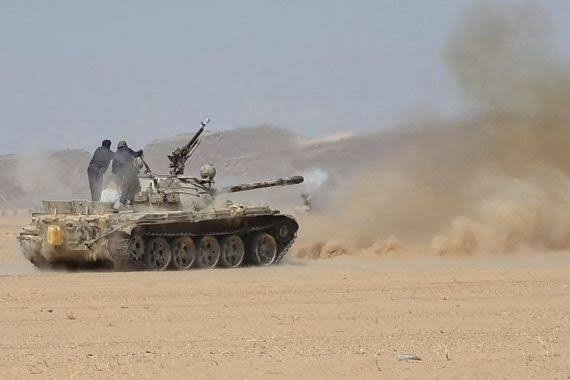
Mocha, also known as Mokha or Al-Makha, is a historic port city on Yemen’s western coast. It was once famous for its coffee trade, but its modern importance comes from its location near the southern entrance to the Red Sea.
According to reports, Houthi forces launched their offensive around September 3 and pushed south along the coast. Government forces and allied fighters were forced to withdraw from several positions, eventually losing control of Mocha. Yemeni military sources said the Houthis also advanced toward the Hanish Islands and the area around Dhubab, which lies near the Bab al-Mandeb Strait.reuters
The capture represented a major strategic victory for the Houthis. Previously, their strongest positions were concentrated in northern and western Yemen. Taking Mocha expanded their influence farther down the Red Sea coastline and gave them access to military positions, port facilities, and approaches to a major international shipping route.
The battle also triggered a wider military response. Saudi Arabia reportedly carried out airstrikes against Houthi positions, while government-aligned forces attempted to slow the group’s advance. The fighting has displaced civilians and raised fears that Yemen’s fragile ceasefire arrangements could collapse into a broader conflict.
Why Bab al-Mandeb Is So Important
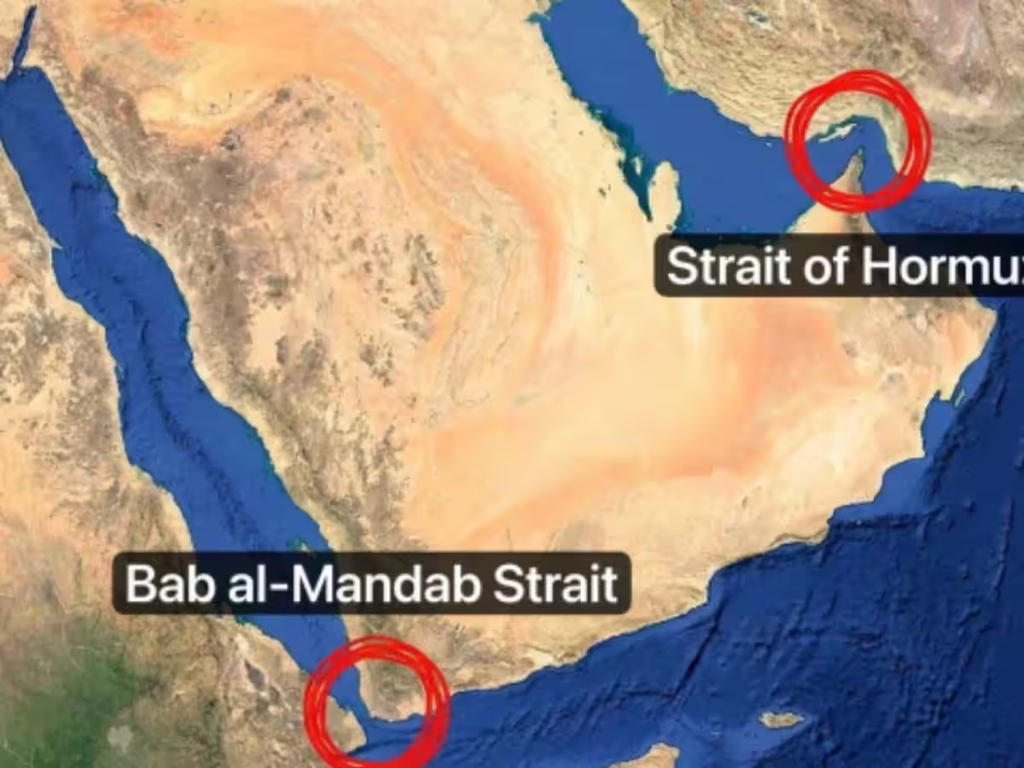
The Bab al-Mandeb Strait is a narrow maritime passage between Yemen and the African countries of Djibouti and Eritrea. Its name means “Gate of Tears,” a reference to the dangers historically associated with navigating the waterway.
Geographically, it connects the Red Sea with the Gulf of Aden and the wider Indian Ocean. Ships traveling between Europe and Asia often use this route because it leads north through the Red Sea and then into Egypt’s Suez Canal.
That makes Bab al-Mandeb one of the world’s most important shipping chokepoints.
The waterway carries a significant portion of global trade, including oil, fuel, liquefied natural gas, manufactured goods, food, and consumer products. Recent reporting estimates that roughly 12 percent of global trade passes through the route, along with about 11 percent of maritime oil and 8 percent of liquefied natural gas shipments.aljazeera
A chokepoint does not need to be completely closed to create economic damage. Even the threat of missile attacks, drones, mines, or vessel seizures can make shipping companies reconsider their routes.
That is what happened during earlier Houthi attacks on Red Sea shipping. Many vessels avoided the Suez route and instead traveled around the Cape of Good Hope at the southern tip of Africa. That alternative can add more than 20 days to a voyage, increasing fuel consumption, crew expenses, insurance premiums, and delivery times.aljazeera
Is This Really Another Strait of Hormuz?
The comparison with the Strait of Hormuz is understandable, but the two waterways are not identical.
The Strait of Hormuz connects the Persian Gulf with the Gulf of Oman. It is crucial for energy exports from Saudi Arabia, Iraq, Kuwait, the United Arab Emirates, Qatar, and Iran. The Bab al-Mandeb, by contrast, is primarily important because of its role in connecting the Indian Ocean, Red Sea, and Suez Canal.
In simple terms:
| Strait | Main importance | Primary economic risk |
|---|---|---|
| Strait of Hormuz | Gulf energy exports | Disruption to oil and gas supplies |
| Bab al-Mandeb | Red Sea and Suez shipping route | Longer shipping routes, higher freight costs, and delayed cargo |
| Suez Canal | Europe–Asia trade connection | Disruption to container shipping and global supply chains |
Calling Bab al-Mandeb “another Strait of Hormuz” does not necessarily mean it has the same energy volume or military significance. It means that another armed actor may be positioned near a narrow passage through which the world economy depends on steady maritime movement.
The danger becomes even greater if both routes are disrupted at the same time. Oil tankers and cargo ships could face pressure at both ends of the Middle Eastern trade network: Hormuz in the east and Bab al-Mandeb in the west.
How the Houthis Could Pressure Shipping
Capturing Mocha does not automatically give the Houthis complete control over every ship entering or leaving the Red Sea. Maritime traffic remains international, and naval forces from several countries operate in the region.
However, the territorial gain may improve the Houthis’ ability to threaten commercial vessels.
Control of coastal territory can provide:
- Better observation of maritime traffic.
- More locations for radar and surveillance equipment.
- Potential launch sites for drones and anti-ship missiles.
- Easier access to nearby islands and coastal military positions.
- Greater leverage over Saudi Arabia and international naval forces.
Reuters reported that Houthi forces were moving toward areas near Dhubab and the island of Perim, also known as Mayyun. These locations are important because they sit close to the maritime passage itself.reuters
The Houthis have also claimed that navigation remains safe for most commercial vessels and that their restrictions apply only to specific targets. But shipping companies cannot rely only on political assurances when missiles and drones have already been used against vessels in the region.
For a shipping executive, the question is not simply whether every ship will be attacked. The question is whether the risk is high enough to justify a longer and more expensive route.
Why This Connects to Iran
The conflict also fits into the wider rivalry between Iran, Saudi Arabia, and the United States.
The Houthis are an independent Yemeni movement, but Iran has provided them with varying levels of political, technological, and military support, according to Western governments and regional officials. Iran publicly denies controlling the group, while several reports have described Iranian assistance, weapons, and military advice.reuters
That relationship gives the Houthis significance beyond Yemen’s borders.
By applying pressure near Bab al-Mandeb, the group can create another strategic problem for Saudi Arabia. Saudi oil exports traditionally travel through Gulf waters, but when the Strait of Hormuz becomes dangerous, the Red Sea becomes even more important as an alternative route.
Saudi Arabia has used its Red Sea ports, including Yanbu, to move oil while avoiding the most vulnerable parts of the Gulf route. But if the Houthis threaten Bab al-Mandeb, the value of that alternative route is reduced.reuters
This creates a strategic chain reaction:
- Tensions threaten the Strait of Hormuz.
- Energy exporters seek alternate routes.
- Bab al-Mandeb becomes more important.
- Houthi control of Yemen’s coastline increases the risk to that route.
- Oil markets and shipping companies price in a second disruption.
That is why the capture of a single port city can matter to markets thousands of miles away.
What It Could Mean for Consumers
The first effects would probably appear in shipping and insurance markets rather than supermarket prices.
If carriers avoid the Red Sea, ships must travel much farther around Africa. That means higher fuel costs and fewer available ships for other routes. Insurance companies may also charge more to cover vessels operating near a conflict zone.
Those additional expenses can eventually reach consumers through:
- Higher freight rates.
- More expensive imported goods.
- Delays in electronics, clothing, machinery, and vehicles.
- Increased fuel transportation costs.
- Higher prices for goods dependent on imported raw materials.
Oil prices could also rise if traders believe the disruption may reduce available supplies or make transportation more difficult. Reuters reported that Brent crude was trading above $100 per barrel amid disruption affecting both the Hormuz and Red Sea routes.reuters
The impact would not necessarily be immediate or identical in every country. Some governments have strategic reserves, alternate pipelines, or different import routes. But a prolonged crisis would make global logistics more expensive and less predictable.
Egypt Faces a Major Economic Risk
Egypt is particularly exposed because the Suez Canal depends on ships continuing to use the Red Sea route.
When shipping companies reroute around Africa, Egypt loses transit fees and foreign currency revenue. During the previous Red Sea crisis, Egypt reportedly lost approximately $7 billion between 2023 and 2024, equivalent to around 60 percent of Suez Canal revenues during that period.aljazeera
A prolonged Houthi presence near Bab al-Mandeb could therefore create pressure on Egypt’s economy even if no fighting reaches Egyptian territory.
The consequences could include:
- Lower Suez Canal income.
- Greater pressure on Egypt’s foreign-exchange reserves.
- Higher costs for imported food and fuel.
- More naval patrols and security spending.
- Increased regional refugee flows.
The crisis is already affecting the Horn of Africa as well. Reports say more than 2,000 Yemenis fled toward Djibouti after the latest fighting, while humanitarian organizations warned that additional support was needed.aljazeera
The Human Cost Behind the Chokepoint
It is easy to discuss Bab al-Mandeb only as a shipping route or an energy corridor. But the conflict is first a humanitarian disaster for people living in Yemen.
Families have been displaced from coastal communities, civilians face shortages, and years of war have damaged infrastructure and weakened public services. A new offensive risks reversing the limited stability created by the 2022 truce.
The capture of Mocha may also encourage all sides to expand the war. The Houthis have gained territory and strategic leverage, Saudi Arabia faces a direct security challenge, and Yemen’s government has lost an important coastal position.
That combination increases the likelihood of more airstrikes, counterattacks, and civilian displacement.
What to Watch Next
The capture of Mocha is significant, but it is not the final stage of the crisis. The next developments will determine whether the situation becomes a temporary escalation or a sustained threat to global trade.
The most important indicators are:
- Whether Houthi forces capture or hold positions around Dhubab.
- Whether they maintain control of Perim or other strategic islands.
- Whether Saudi Arabia expands its air campaign.
- Whether commercial shipping companies begin widespread rerouting.
- Whether international naval forces increase escorts in the Red Sea.
- Whether Iran continues providing weapons, funding, or military advice.
- Whether Yemen’s internationally recognized government can organize a counteroffensive.
- Whether attacks spread from military targets to commercial vessels.
The Houthis may not need to formally announce a blockade. If enough shipping companies believe the route is unsafe, commercial traffic could decline on its own.
Conclusion
The fall of Mocha has transformed the geography of Yemen’s war. The Houthis are now closer to the Bab al-Mandeb Strait, a maritime gateway that links the Indian Ocean to the Red Sea and the Suez Canal.
This does not mean global trade will automatically shut down. But it does mean that one of the world’s most sensitive shipping corridors is now under greater military pressure.
If the Houthis consolidate their gains and gain reliable access to the strait, the consequences could extend far beyond Yemen: higher oil prices, rising shipping costs, longer delivery times, lost Suez Canal revenue, and increased pressure on already fragile global supply chains.
The story is therefore not only about a port city on Yemen’s coast. It is about how a local battlefield can become a global economic fault line.
