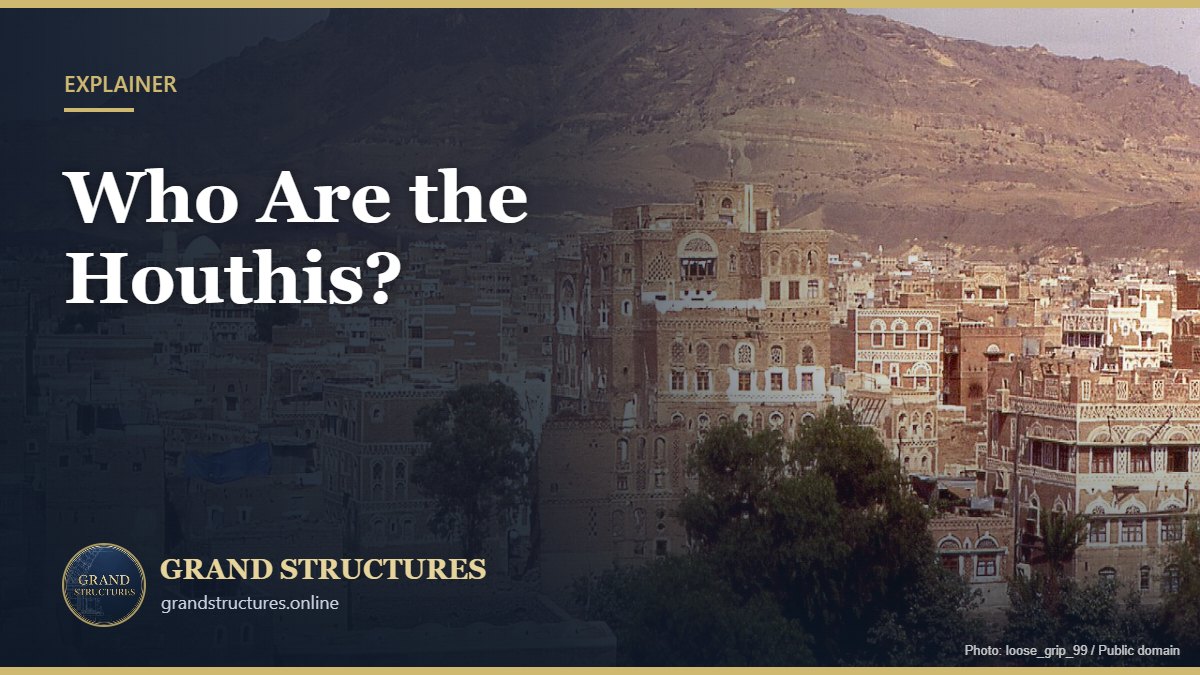
A movement that began in the mountains of northern Yemen has become one of the most disruptive forces in the Middle East. The Houthis have fought Saudi Arabia, attacked commercial shipping in the Red Sea, fired missiles at Israel and, in 2026, joined the regional war around Iran. Here is a clear guide to who the Houthis are, what they want and why they matter to the United States.
Key facts
- Official name: Ansar Allah (“Supporters of God”)
- Religion: rooted in Zaydi Shi’a Islam, a branch distinct from Iran’s Twelver Shi’ism
- Leader: Abdul-Malik al-Houthi, since 2004
- Territory: controls the capital, Sanaa, and much of northwestern Yemen — about a third of the country but most of its population
- U.S. status: redesignated a Foreign Terrorist Organization in January 2025
Origins: from a revival movement to an armed group
The Houthi movement grew out of a Zaydi religious revival in Yemen’s northern Saada province. In the 1980s and 1990s, the Union of the Believing Youth promoted Zaydi identity and opposed corruption and foreign influence. Badreddin al-Houthi and his son Hussein took control of the movement in 2000 and turned it in a more militant direction. In 2004, the Yemeni government tried to arrest Hussein, triggering an armed rebellion; he was killed soon after, and the group took his family name.
The Saada wars and the takeover of Sanaa
Between 2004 and 2010, the Houthis fought six wars with Yemen’s government. After the Arab Spring weakened the state, they seized Sanaa in September 2014 and took the presidential palace in January 2015. In March 2015, Saudi Arabia launched a U.S.-backed military coalition to restore Yemen’s internationally recognized government, beginning a long and devastating war.
The Iran connection
The Houthis are part of what Tehran calls its “Axis of Resistance,” alongside groups such as Hezbollah. Iran has provided political support, weapons technology and training, helping the Houthis build drones and missiles. Analysts debate how much direct control Tehran has; the Houthis have their own local goals and often act independently. But their actions in 2026 have closely tracked the wider Iran war.
The Red Sea campaign
After the Gaza war began in October 2023, the Houthis started firing at Israel and, from November 2023, attacking commercial ships in the Red Sea. More than 100 ships were targeted by April 2025. The U.S. responded with naval operations and, in spring 2025, a large air campaign. The Houthis paused maritime attacks in late 2025, then joined the Iran war in March 2026 with missile strikes on Israel. (See: The Bab el-Mandeb chokepoint explained.)
2026: war with Saudi Arabia again
A 2022 UN-brokered truce between the Houthis and Saudi Arabia largely held until 2026. This summer, fighting escalated and the Houthis declared a maritime blockade of Saudi Arabia. In September they captured the Red Sea port of Mocha. In October, Houthi drones and missiles hit Saudi airports and oil facilities, killing civilians, forcing Aramco to evacuate its headquarters and prompting the U.S. to order non-emergency staff out of the kingdom. Read the full story: Houthi attacks on Saudi Arabia explained.
What do the Houthis want?
- Recognition as Yemen’s legitimate government and control of more territory and resources.
- An end to Saudi-led military pressure and economic restrictions.
- A regional role as part of Iran’s alliance network, opposing Israel and the United States.
Why the Houthis matter to Americans
The Houthis can threaten two things the U.S. economy depends on: Gulf oil supplies and Red Sea shipping lanes. Their attacks also put U.S. personnel and partners at risk. With the Strait of Hormuz already disrupted, a Houthi campaign against the Bab el-Mandeb or Saudi oil infrastructure could push energy prices even higher.
Frequently asked questions
Are the Houthis Shia?
Yes. They come from the Zaydi branch of Shi’a Islam, which is distinct from the Twelver Shi’ism practiced in Iran.
Are the Houthis a terrorist organization?
The U.S. redesignated the Houthis a Foreign Terrorist Organization on Jan. 22, 2025.
Who leads the Houthis?
Abdul-Malik al-Houthi has led the movement since 2004.
Information current as of late October 2026.