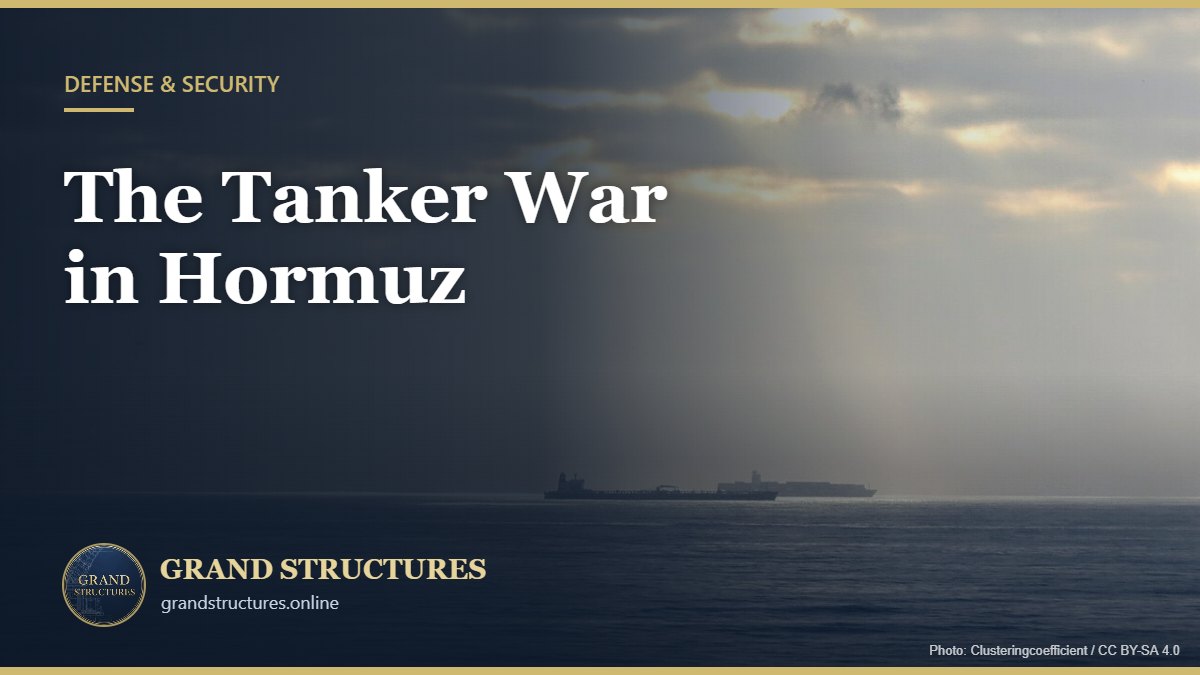
For most of 2026, the Strait of Hormuz has been the most dangerous stretch of water on Earth for merchant sailors. Since the Iran war began on Feb. 28, at least 93 ships have been hit and 24 seafarers killed, according to International Maritime Organization figures reported in early October. Shipping attacks reportedly reached a record high this month. Here is how the shipping war works — and why it matters to the U.S. economy.
Key takeaways
- Pre-war, about 85 ships a day transited Hormuz; IMF PortWatch data showed just 4 transits on Oct. 18, 2026.
- Tanker hire rates across the strait hit a record of about $1.3 million per day.
- War-risk insurance can cost 6%–10% of a ship’s value — up to roughly $20 million for a supertanker.
- Iran claims it hit four vessels and that three more struck mines on Oct. 21–22; President Trump says Iran is fabricating attacks.
Where is the Strait of Hormuz — and why does it matter?
The Strait of Hormuz connects the Persian Gulf to the Gulf of Oman and the Arabian Sea. At its narrowest it is about 21 miles wide, with shipping lanes only a couple of miles across in each direction. Before the war, roughly 20 million barrels of oil a day — 20% to 25% of all seaborne oil — plus large volumes of liquefied natural gas passed through it. There is no other sea route out of the Gulf for producers such as Kuwait, Qatar, Iraq and much of Saudi Arabia and the UAE.
How Iran turned the strait into a war zone
After U.S. and Israeli strikes began, Iran’s Revolutionary Guard (IRGC) warned ships away, declared the strait “closed,” and later barred vessels sailing to or from U.S., Israeli and allied ports. In May, Iran created a “Persian Gulf Strait Authority” to regulate passage, and in September Iranian officials announced a “prohibited zone” stretching from the U.S. blockade line to loading ports.
The tools of this campaign are cheap but effective:
- Naval mines. In August, U.S. officials reported more than 100 suspected mines in the strait’s Traffic Separation Scheme and confirmed mine-clearing operations.
- Drones and missiles. Analysts at Kpler counted 27 missile strikes in the strait between July 6 and early September alone.
- Selective targeting. The IRGC says it targets ships using what it calls “unauthorized” or “illegal” routes, or ships transferring oil at sea.
The U.S. response: a naval blockade
The United States first blockaded Iranian ports from April 13 to June 18, then reinstated the blockade on July 14 after a short-lived agreement collapsed. U.S. Central Command said on Oct. 22 — the 100th day of the renewed blockade — that it had blocked about $25 billion in Iranian crude exports and, as of Oct. 17, redirected 138 ships. Intelligence firm Kpler reported that Iran’s “shadow fleet” tankers ran out of oil to carry in mid-October. An earlier U.S. effort to escort commercial ships, Operation Project Freedom, was launched and then paused in May.
For a deeper look at the missile-defense side of the conflict, read The Interceptor War.
October: the worst month yet?
Reuters and MarineLink reported that attacks on ships in the strait reached a record in October. Notable claims and incidents include:
- Oct. 21: Iran’s IRGC Navy said three vessels struck naval mines in the strait.
- Oct. 22: The IRGC claimed attacks on four vessels transferring oil ship-to-ship; Iranian state TV said seven tankers were hit. The UK Maritime Trade Operations (UKMTO) center reported a tanker struck by an unknown projectile.
- Oil spill: Euronews reported that oil from damaged ships has reached beaches in the UAE.
President Trump responded by accusing Tehran of making up “fake” hits and mines to drive up oil prices before the U.S. midterms. Not every claim has been verified by independent maritime authorities — which is itself part of the information war around Hormuz.
The human cost: crews on the front line
Since February, the IMO estimates thousands of seafarers have been stranded, and at least 24 have been killed. Ships that still make the run pay crews dramatically more. According to Financial Times sources cited by Fortune, tanker captains can earn about $100,000 a month plus a $50,000 bonus per trip — compared with roughly $15,000 a month normally — and ordinary sailors can earn four to six times their usual wages. One industry source said such crews are “almost being viewed as mercenaries.”
What it costs to ship oil now
- Freight: Record rates of about $1.3 million per day, versus $20,000–$50,000 a day last year. Shipbroker Gibson estimated hiring a tanker from the U.S. to China at roughly $80 million.
- Insurance: War-risk premiums of 6%–10% of hull value.
- Refiner margins: RBC analysts estimated Spanish refiner Repsol’s margin fell from $36 a barrel in the third quarter to $15 in October.
These costs feed straight into the price of crude and, eventually, gasoline in the United States. See why gas prices are so high for the consumer impact.
Workarounds — and their limits
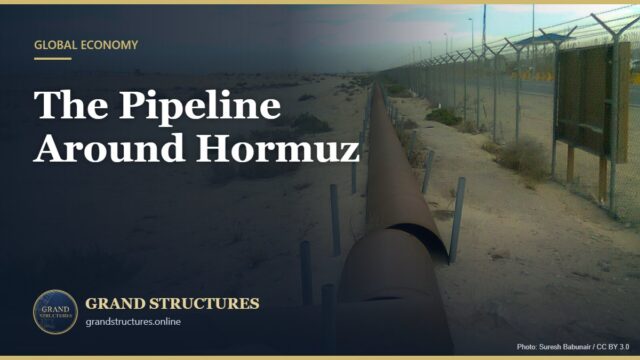
Saudi Arabia has expanded its East-West pipeline to the Red Sea to about 7 million barrels per day, and the UAE can export some crude via its Fujairah terminal outside the strait. But the Red Sea route faces its own threat from Yemen’s Houthis, who are now attacking Saudi Arabia directly (read more). No combination of pipelines can fully replace the volume that once moved through Hormuz.
Frequently asked questions
Is the Strait of Hormuz open right now?
Not to normal traffic. Iran says it will stay closed until the U.S. accepts its conditions, and transit numbers remain a small fraction of pre-war levels, although the White House says significant volumes of oil are still moving.
How many ships have been attacked in the Strait of Hormuz?
At least 93 ships had been hit and 24 sailors killed since Feb. 28, according to IMO figures reported on Oct. 10, 2026. Attacks continued afterward.
Why does the U.S. Navy blockade Iran?
To cut off Iran’s oil revenue and pressure Tehran into a settlement that includes reopening the strait and limits on its nuclear program.
Updated as of Oct. 24, 2026.