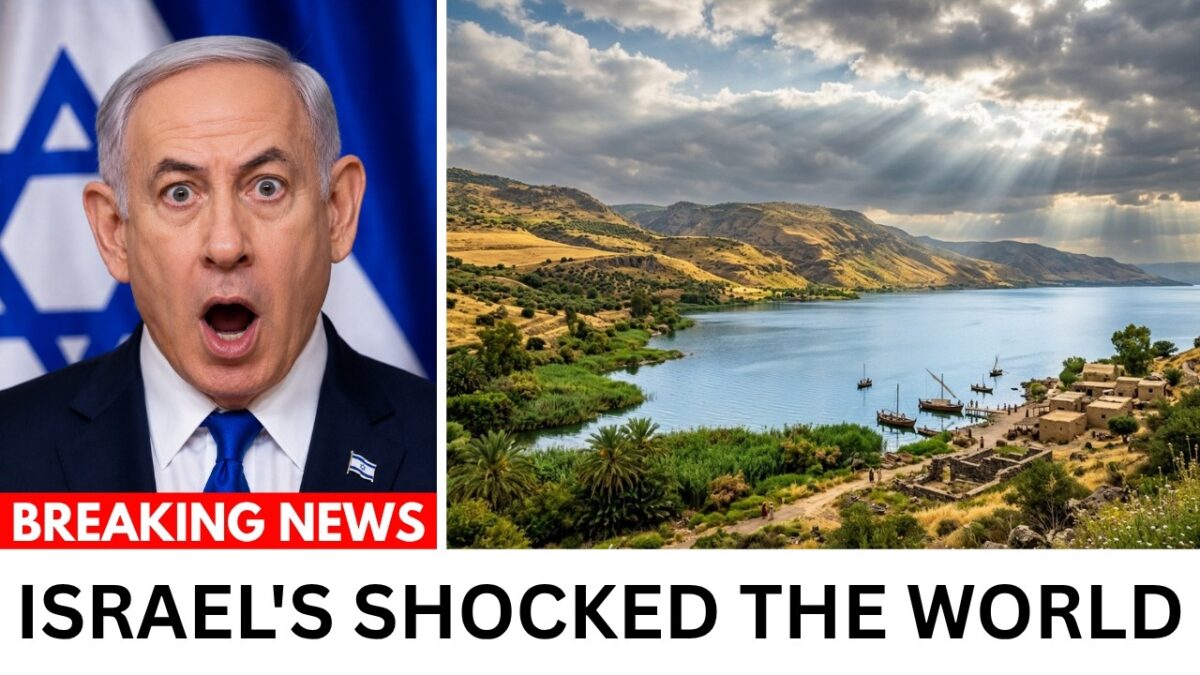
The Sea of Galilee sits about 700 feet below sea level — the lowest freshwater lake on Earth. It is central to the Bible, to tourism and to Israel’s ecology. For sixty years, it was also the main reservoir of Israel’s National Water Carrier, which pumped its water south to farms and cities. During droughts, the lake dropped to dangerously low levels.
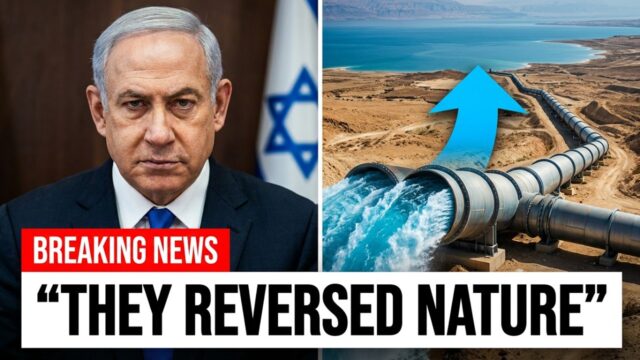
Today, the system is running backward. Israel is pumping desalinated Mediterranean water uphill across the country and into the Sea of Galilee, a historic reversal of the nation’s water flows. Here is how the engineering works, and why saving the lake matters far beyond Israel.
Watch the Full Documentary
A Lake Under Pressure
For decades, the Sea of Galilee (Lake Kinneret) supplied a large share of Israel’s freshwater. Its level was tracked like a national stock price. When rainfall was low, levels approached the “black line,” below which pumping risked damaging water quality and the lake’s ecosystem. Rising salinity, algae and shrinking shorelines became serious concerns.
Desalination Changes Everything
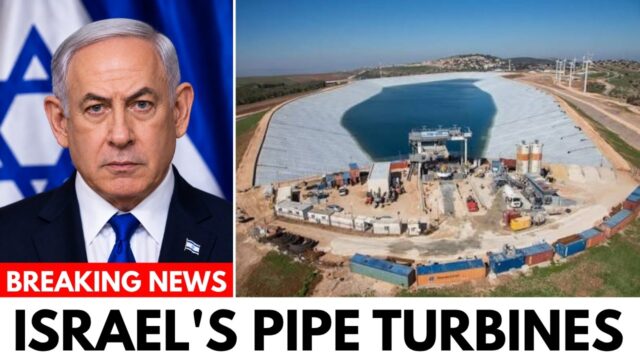
As Israel built large seawater reverse-osmosis plants — Ashkelon, Hadera, Sorek, Sorek 2 — the coast became the country’s main source of drinking water. Plants like Sorek use energy recovery devices that capture pressure from brine and reuse it, making desalinated water far cheaper than it once was. That surplus opened a new possibility: sending water back north.
The Flow Reversal Project
Engineers built new pipelines and pumping stations to carry desalinated water from the coast toward the Galilee and connect it with the existing carrier network. Water is lifted over hills and ridges, then released into a stream that flows into the lake. The project, sometimes called the “Reverse Carrier,” turns the lake into a strategic reservoir that can be topped up during drought.
Taming Water Hammer
Moving huge volumes of water through long pipelines creates a dangerous phenomenon called water hammer. If a pump suddenly stops or a valve closes quickly, the moving water’s momentum creates a pressure wave that can burst pipes. Engineers control this with surge tanks, air chambers, slow-closing valves and careful pump sequencing — critical when pushing water across mountainous terrain.
Why Save the Lake?
Keeping the Sea of Galilee healthy protects ecosystems, fisheries and tourism. It also has diplomatic value: under its peace treaty, Israel supplies water to Jordan, and a fuller lake makes that easier. A stable reservoir provides security against drought and emergencies.
A Lesson for Lake Mead
American readers will recognize the problem. Lake Mead and Lake Powell on the Colorado River have dropped to record lows, threatening water and power for tens of millions of people. Israel’s approach — creating new water through desalination and recycling, then using natural lakes as storage — is increasingly discussed as a model for the Southwest.
Key Facts at a Glance
- Lake: Sea of Galilee (Lake Kinneret), about 700 ft below sea level
- Historic role: main source for the National Water Carrier
- New role: strategic reservoir refilled with desalinated water
- Key engineering: long-distance pumping and water hammer control
Frequently Asked Questions
Is the Sea of Galilee fresh or salt water?
It is a freshwater lake, though it has some natural salinity from underground springs.
When did Israel start pumping water into it?
Desalinated water began flowing to the lake in the mid-2020s after the new infrastructure was completed.
Why is it called a sea?
The name is traditional; it is actually a lake.
Grand Structures explains the engineering, defense technology and megaprojects shaping the Middle East and the world. For more deep dives like this, subscribe to Grand Structures on YouTube.