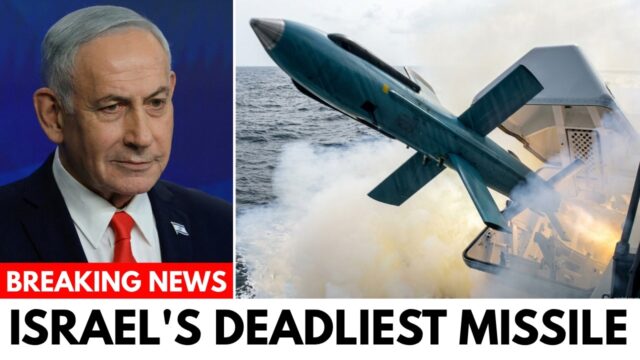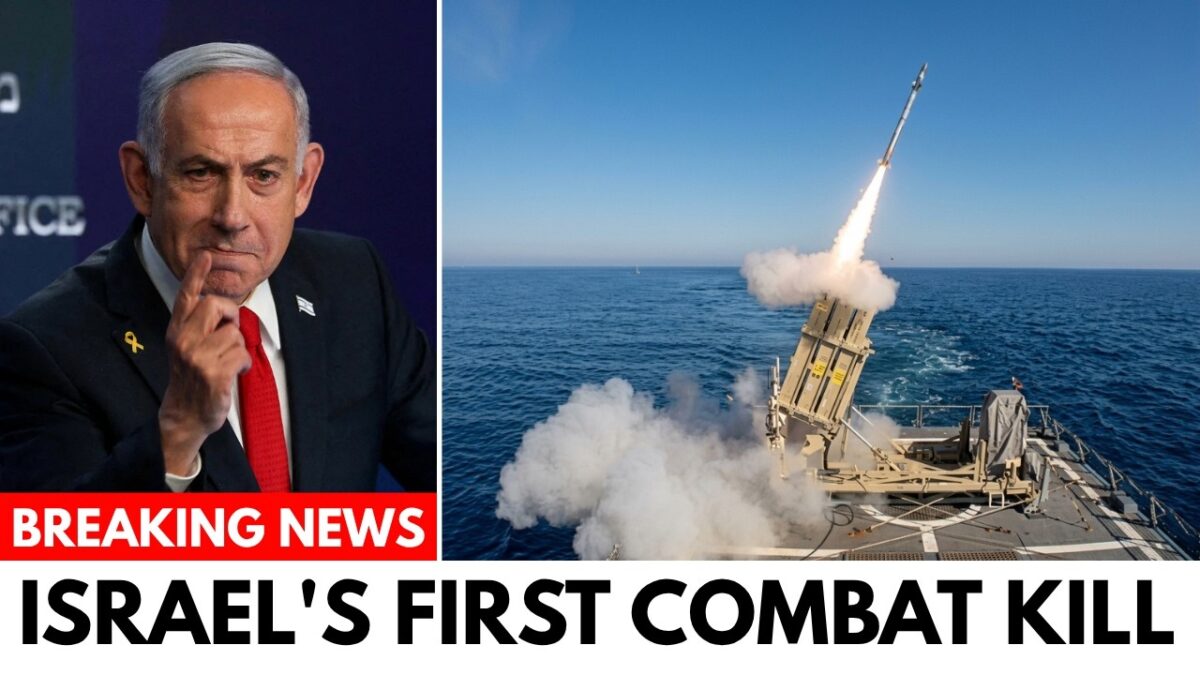
On April 8, 2024, sirens sounded over the resort city of Eilat as a hostile drone approached from the Red Sea. Offshore, an Israeli warship fired its missiles and destroyed the target. It was the first combat interception by C-Dome, the naval version of Iron Dome.
The bigger engineering breakthrough was not the missile but the radar. To put Iron Dome on a 90-meter corvette, engineers eliminated its dedicated land-based radar and wired the interceptors into the ship’s existing multi-function radar. Here is how Israel created a floating Iron Dome.
Watch the Full Documentary
Why a Naval Iron Dome?
Israel’s offshore natural gas platforms, including Leviathan and Tamar, are critical national infrastructure. They supply most of the country’s electricity. They sit within range of rockets, drones and anti-ship missiles from Gaza, Lebanon and Yemen. Protecting them — and protecting ships at sea — required a short-range air defense system that could operate on the water.
Removing the Radar
A land-based Iron Dome battery uses a separate EL/M-2084 radar. On a warship, space, weight and power are limited, and a second radar would compete with the ship’s own sensors. Instead, C-Dome uses the ship’s main radar — on Israel’s Sa’ar 6 corvettes, the Elta EL/M-2248 MF-STAR AESA radar — to detect and track threats. The fire-control system translates that data into guidance for Tamir interceptors.
Vertical Launch at Sea
Land-based Iron Dome launchers are angled boxes. On ships, missiles are stored in vertical launch cells built into the deck. C-Dome uses modular vertical launch units holding Tamir interceptors that can be fired in any direction, giving 360-degree coverage. A Sa’ar 6 can carry around 40 interceptors ready to fire.
A Moving, Rolling Platform
A ship pitches and rolls with the waves, which complicates launching and guiding missiles. C-Dome compensates using the ship’s motion sensors and navigation data, so the interceptor knows exactly where it is and where it is heading at launch. That precision is essential when engaging fast, low targets.
A Dome Over the Gas Fields
By positioning corvettes near offshore platforms, the navy creates protective bubbles over critical infrastructure. The same ships can defend ports, coastal cities and shipping lanes, and they work alongside land-based air defense systems.
The Economics
Navies around the world face low-cost drone swarms, especially in the Red Sea where Houthi forces have attacked shipping. Using expensive long-range missiles against cheap drones drains magazines quickly. A shorter-range, lower-cost interceptor like Tamir offers a more economical option for close-in defense.
Key Facts at a Glance
- System: C-Dome, naval Iron Dome by Rafael
- First combat kill: April 8, 2024, near Eilat
- Platform: Sa’ar 6-class corvette
- Radar: ship’s MF-STAR multi-function radar
- Magazine: about 40 Tamir interceptors
Lessons for the U.S. Navy
U.S. destroyers in the Red Sea have fired costly Standard Missiles at Houthi drones. Cheaper, shorter-range interceptors — whether C-Dome-style systems, guns or lasers — are a growing priority for American naval planners.
Frequently Asked Questions
Is C-Dome the same as Iron Dome?
It uses the same Tamir interceptor but integrates with ship radars and vertical launchers.
Which ships carry C-Dome?
Israel’s Sa’ar 6-class corvettes.
Can C-Dome stop anti-ship missiles?
It is designed to counter rockets, drones and some missiles at short range.
Grand Structures explains the engineering, defense technology and megaprojects shaping the Middle East and the world. For more deep dives like this, subscribe to Grand Structures on YouTube.