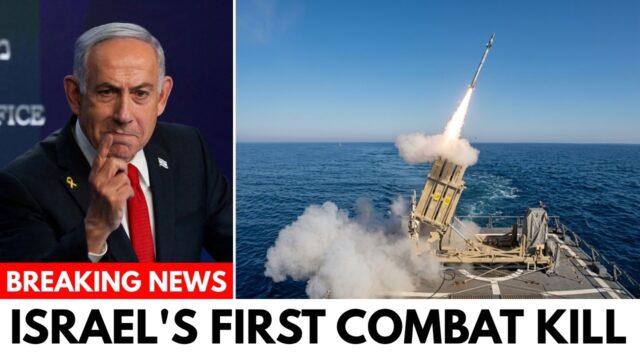
On October 21, 1967, the Israeli destroyer INS Eilat was sunk by Soviet-made Styx missiles fired by small Egyptian missile boats sitting near Port Said. Forty-seven sailors died. It was the first time a warship had been sunk by anti-ship missiles in combat, and it was a shock to navies around the world.
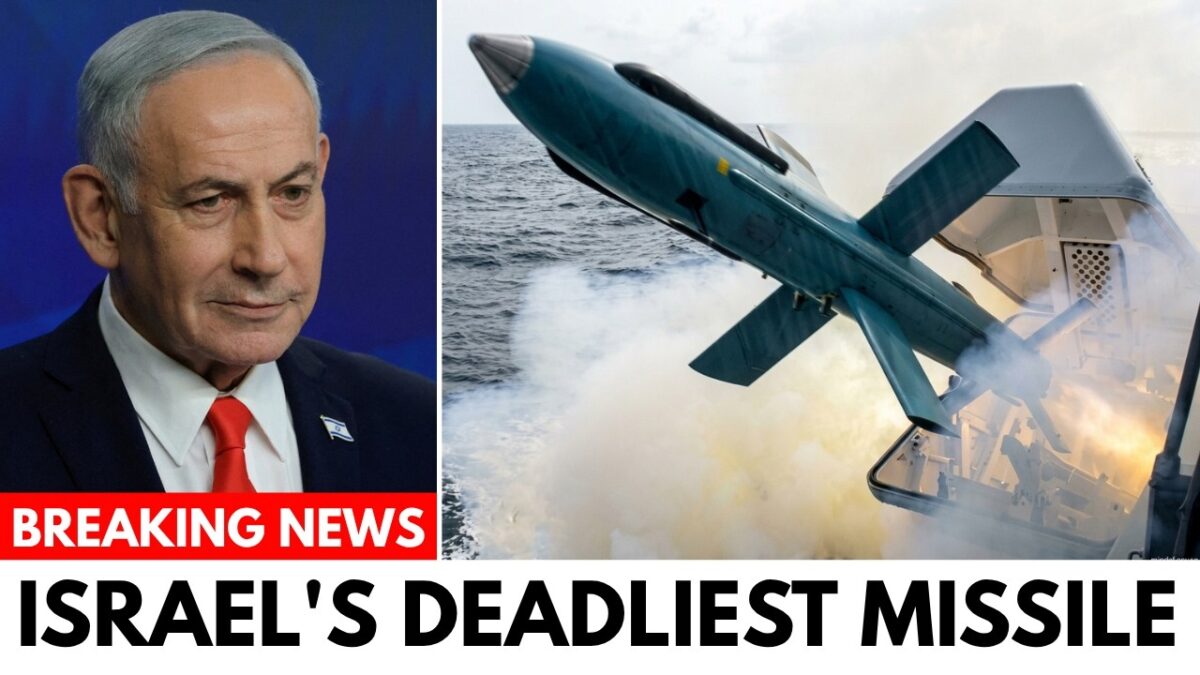
For Israel, it triggered a crash program that produced one of the most important naval weapon families in history: the Gabriel missile. Its key idea — flying just a few feet above the waves to evade radar — still defines modern anti-ship warfare.
Watch the Full Documentary
Why Fly So Low?
Radar waves travel in straight lines, but the Earth curves. A ship’s radar cannot see objects below its horizon, and waves and sea clutter make low-flying targets even harder to detect. A missile skimming just meters above the surface appears only when it is a few miles away, giving defenders seconds rather than minutes to react.
The Engineering of Sea-Skimming
Flying a missile nine feet above a moving sea is extremely demanding. A radar altimeter measures height above the waves many times per second, and the autopilot adjusts constantly to avoid crashing into swells while staying as low as possible. Early Gabriel versions used a combination of radio command guidance and semi-active radar; later ones became fully autonomous.
Victory at Latakia
During the 1973 Yom Kippur War, Israeli missile boats armed with Gabriel fought the Battle of Latakia against the Syrian navy — the first naval battle between missile-armed ships. Using electronic countermeasures to deflect enemy Styx missiles and their own Gabriels to strike, the Israelis sank several Syrian vessels without losing a ship. It showed that small, agile missile boats could defeat larger navies.
Gabriel V: The Modern Generation
Today’s Gabriel V, built by Israel Aerospace Industries, is a long-range autonomous missile. After launch, it uses inertial navigation and satellite positioning to fly toward the target area, staying low over the sea. As it approaches, an active radar seeker switches on to find and identify the target, resistant to jamming and decoys. Reported ranges extend to around 200 kilometers or more, with some sources citing longer.
A Global Export Success
Gabriel V has been selected by navies in Finland, Singapore and others. Several Western navies seeking replacements for aging U.S. Harpoon missiles have looked at Israeli options, including the closely related Blue Spear developed with Singapore’s ST Engineering.
Key Facts at a Glance
- Origin: developed after the 1967 sinking of INS Eilat
- First combat success: Battle of Latakia, 1973
- Modern version: Gabriel V, by IAI
- Guidance: inertial/satellite navigation plus active radar seeker
- Flight profile: sea-skimming just above the waves
Why It Matters for the U.S. Navy
The U.S. Navy faces the same challenge from Chinese and Russian sea-skimming missiles. Lessons from Gabriel — the power of low flight, autonomy and electronic warfare — shape both American offensive missiles and ship defenses like the SM-6 and CIWS.
Frequently Asked Questions
How fast is the Gabriel missile?
It is a high-subsonic missile, flying just below the speed of sound.
Which ships carry Gabriel V?
Israeli Sa’ar 6 corvettes and ships in several foreign navies.
What sank INS Eilat?
Soviet-made P-15 Termit (Styx) missiles fired by Egyptian boats.
Grand Structures explains the engineering, defense technology and megaprojects shaping the Middle East and the world. For more deep dives like this, subscribe to Grand Structures on YouTube.