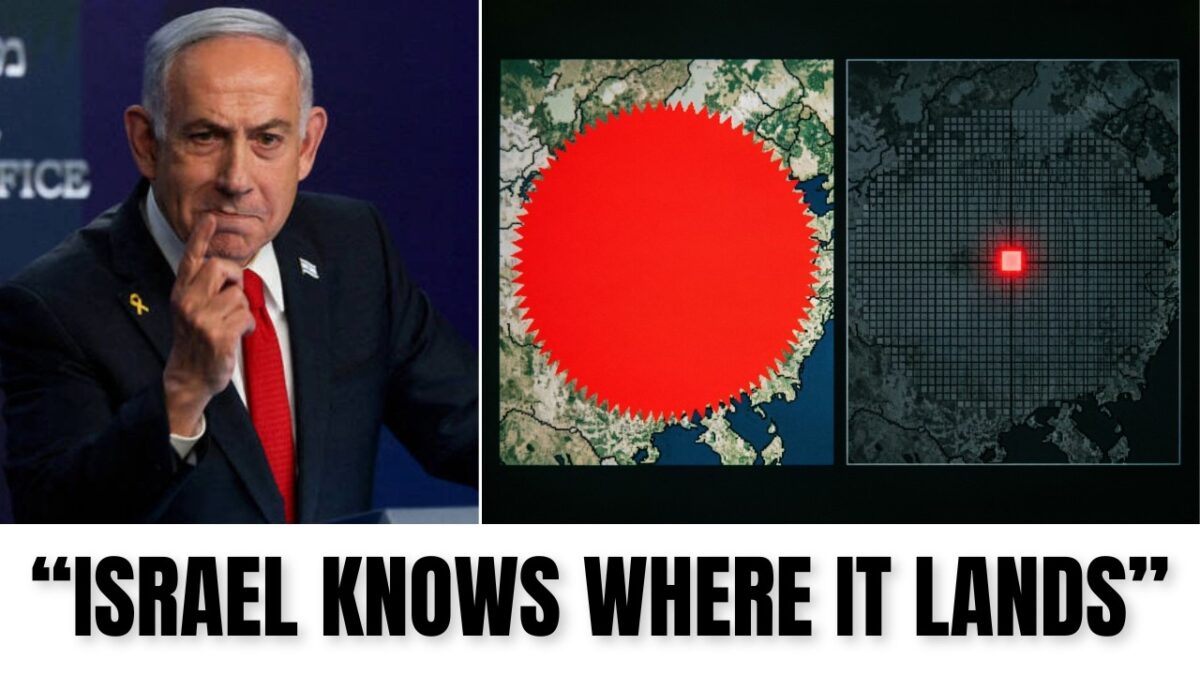
Twenty years ago, a single rocket fired at Israel could trigger sirens across a huge area, sending millions of people to bomb shelters for a threat that would never come near them. Schools emptied, factories stopped and traffic froze. The cost in lost time and stress was enormous.
Today, the system is very different. When a threat launches, radars and software calculate within seconds where it is likely to land — and the Israel missile alert system warns only the specific areas in danger. This is the story of how Israel’s Home Front Command turned early warning into a precision tool.
Watch the Full Documentary
From Sirens to Software
Traditional civil defense relied on large siren zones. If a rocket was detected heading toward a region, everyone in that region took cover. That was simple and safe, but crude. As rocket fire became more frequent, broad alerts disrupted daily life and caused “alert fatigue,” where people stopped taking warnings seriously.
Calculating the Impact Point
The same radar networks that guide Iron Dome, David’s Sling and Arrow track every detected launch. By measuring a rocket’s position and velocity over several seconds, software predicts its ballistic trajectory and estimated impact area. Inputs such as weather and the type of threat refine the prediction. That computation is completed within seconds, leaving time to sound alerts.
Thousands of Micro-Zones
To use those predictions, Israel divided the country into far smaller alert polygons. Where there were once a few dozen large zones, there are now around 1,700 micro-zones. Only the zones overlapping a predicted impact area receive an alert. In a large city, one neighborhood may hear sirens while another a few miles away carries on as normal.
Alerts on Every Phone
Warnings are delivered through outdoor sirens, radio and TV, and the Home Front Command smartphone app, as well as cell broadcast systems. The app uses location to alert users in affected zones and shows how many seconds they have to reach shelter — from as little as 15 seconds near Gaza to around 90 seconds in central Israel, depending on the threat.
Handling Massive Barrages
During large attacks from Gaza, Lebanon, Yemen and Iran, the system has had to handle thousands of threats, sometimes hundreds within minutes. Since October 2023, Israel has faced tens of thousands of aerial threats. Precision alerting helped keep the country functioning during prolonged conflict, reducing unnecessary disruption while protecting people in the danger zone.
Where AI Fits In
Artificial intelligence and machine learning help classify radar tracks, filter false alarms and improve impact predictions using data from past attacks. The system must balance two risks: warning too few people and leaving someone exposed, or warning too many and eroding trust. Algorithms tuned on real-world data help strike that balance.
Key Facts at a Glance
- Operator: Israel Home Front Command
- Alert areas: about 1,700 micro-zones
- Warning time: roughly 15–90 seconds depending on location
- Delivery: sirens, smartphone app, cell broadcast, media
Lessons for American Emergency Alerts
The U.S. uses Wireless Emergency Alerts for tornadoes, flash floods and other emergencies, and polygon-based warnings from the National Weather Service. Israel’s system shows how precise geographic targeting improves compliance and reduces fatigue — principles that apply to American disaster warnings and earthquake early-warning systems like ShakeAlert on the West Coast.
Frequently Asked Questions
What is the Red Alert app?
A popular name for apps that deliver Israel’s rocket alerts; the official app is from the Home Front Command.
How accurate are the predictions?
They are designed to include a safety margin, so alert areas are larger than the precise impact point.
Does the system warn about drones?
Yes. Hostile aircraft and drone intrusions trigger separate alerts.
Grand Structures explains the engineering, defense technology and megaprojects shaping the Middle East and the world. For more deep dives like this, subscribe to Grand Structures on YouTube.