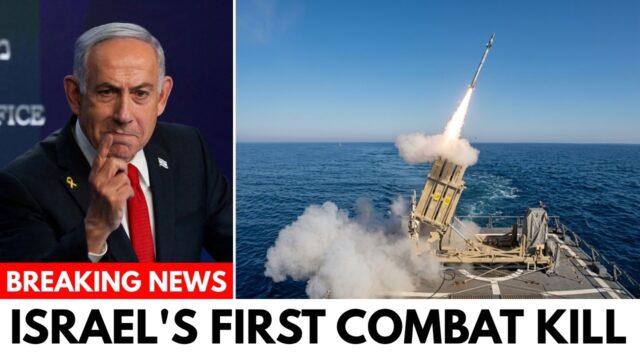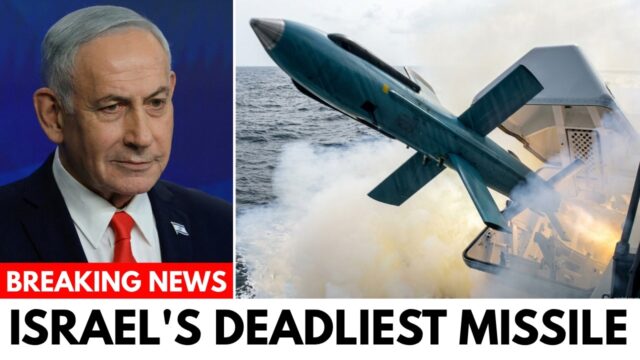
On March 2, 2026, a high-powered laser locked onto an incoming rocket over southern Israel and destroyed it in mid-air at a cost of roughly three dollars. That moment captured how quickly warfare is changing. After a 40-day air war that exposed gaps in infrastructure and interceptor stocks, Israel launched one of the largest weapons acquisition and development pushes in its history.
Here are ten of the most important current and future systems for the Israel Defense Forces — and the engineering ideas that make them work.
Watch the Full Documentary
1. Iron Beam
A 100-kilowatt-class high-energy laser that destroys drones, rockets and mortars using electricity. Its near-unlimited magazine and tiny cost per shot could transform air defense economics.
2. Arrow 3 and Arrow 4
Arrow 3 intercepts ballistic missiles in space using hit-to-kill technology. Arrow 4, in development, is intended to counter newer threats, including maneuvering and hypersonic warheads.
3. David’s Sling
The middle layer of Israel’s defense, using the Stunner interceptor with a dual seeker to engage medium-range rockets, cruise missiles and some ballistic missiles.
4. Trophy Active Protection
A system that detects incoming anti-tank missiles and RPGs with radar and destroys them in milliseconds, now used by Israel and the U.S. Army.
5. F-35I Adir
Israel’s customized F-35 stealth fighter, with Israeli electronic warfare and software integrated. It acts as a flying sensor and data hub that links the entire battle network.
6. Hypersonic Interceptors
As adversaries develop hypersonic missiles that fly at Mach 5 and beyond while maneuvering, Israeli industry is developing interceptors and sensors to track and hit them. Concepts include very fast, highly agile kill vehicles that can be steered late in flight.
7. Loitering Munitions
Drones such as IAI’s Harop and UVision’s Hero series can circle over an area, identify targets and dive onto them. They blur the line between drone and missile.
8. Counter-Drone Interceptors
New systems like Iron Wasp launch small interceptor drones from vehicles to hit hostile drones directly, especially fiber-optic drones immune to jamming.
9. AI-Driven Battle Management
Software that fuses radar, satellite and drone data, prioritizes threats and assigns interceptors in seconds. It is less visible than missiles but may be the most important weapon of all.
10. Next-Generation Armored Vehicles
Programs like the Carmel concept explore vehicles with smaller crews, advanced sensors, AI assistance and integrated active protection — designed for battlefields filled with drones and guided weapons.
The Common Thread
Almost every system on this list relies on sensors, software and networks as much as on explosives. The modern battlefield rewards the side that can see first, decide fastest and use cheap defenses against cheap attacks.
Key Facts at a Glance
- Cheapest kill: Iron Beam, roughly $3 per engagement
- Highest layer: Arrow 3, intercepting in space
- Network hub: F-35I Adir
- Trend: AI, lasers, drones and active protection
The U.S. Connection
Many of these systems are co-developed or co-produced with American companies and funded partly by U.S. aid. The Pentagon studies Israeli combat results closely as it modernizes its own forces.
Frequently Asked Questions
What is Israel’s most advanced weapon?
That depends on the mission, but Iron Beam, Arrow 3 and the F-35I are among the most advanced.
Does Israel build its own fighter jets?
Not currently; it modifies U.S.-built aircraft like the F-35I and F-15I.
Are these weapons exported?
Several, including Trophy, Arrow 3 and David’s Sling, have been sold to allies.
Grand Structures explains the engineering, defense technology and megaprojects shaping the Middle East and the world. For more deep dives like this, subscribe to Grand Structures on YouTube.